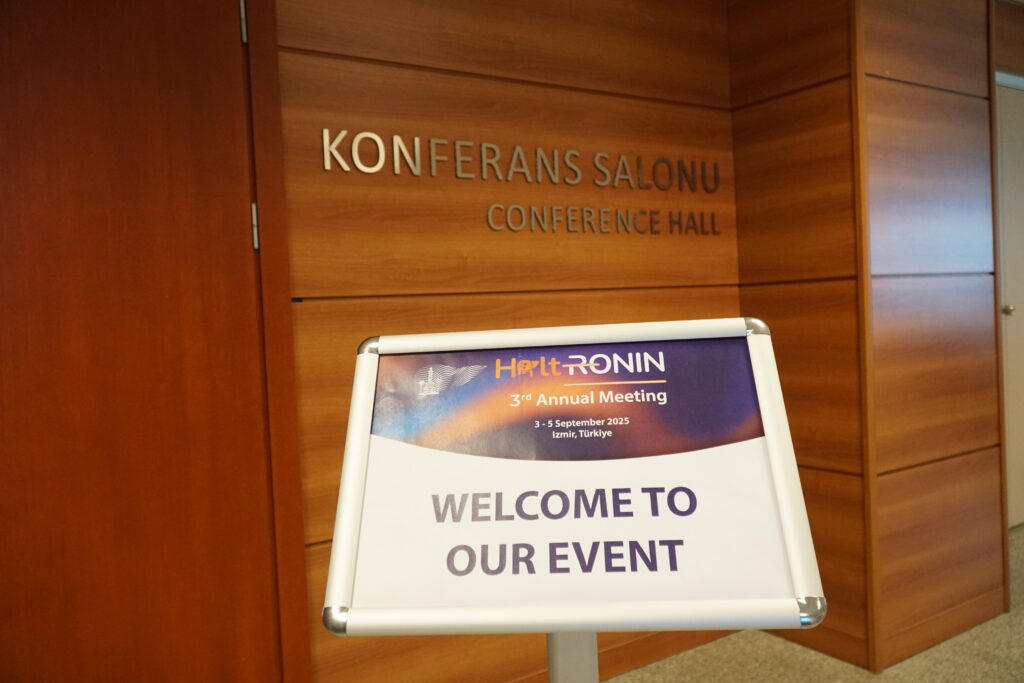
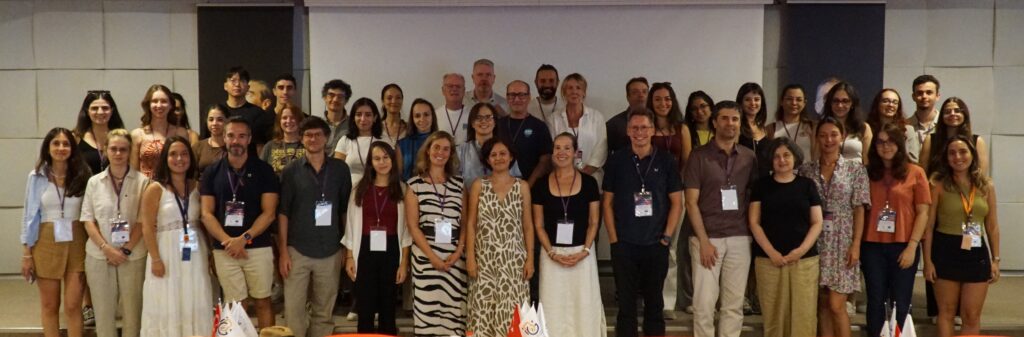
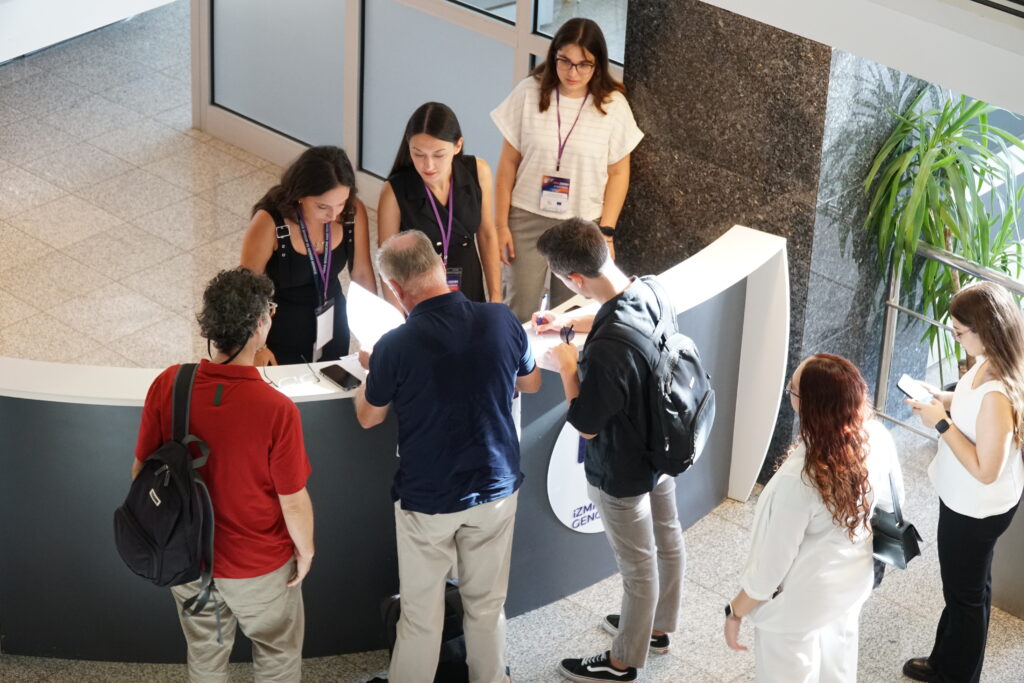
From September 2–5 we came together for our 3rd Annual Meeting, proudly hosted by the Izmir Biomedicine and Genome Center (IBG). It was an inspiring week filled with outstanding science, and fresh ideas as we push forward in our mission to discover novel biomarkers for the MASLD-to-MASH transition. We also took important in preparing our second periodic report.
PROGRAM:
https://halt-ronin.com/wp-content/uploads/2025/09/Final-Agenda_31Agust_Agenda-Annual-Meeting-Izmir_LPdA-1.pdf
MINUTES:
Day 1 – Tuesday, September 2, 2025
The meeting opened with two parallel sessions:
Steering Committee Meeting (10:00–16:00) – Discussion on project progress, milestones, and coordination among partners.
Transcriptomics Workshop (İBG, Bilkent, SciLicium) (10:00–16:30) – Practical training and data-sharing session focused on transcriptomic analysis workflows.
Day 2 – Wednesday, September 3, 2025
Session I: Introduction
The session began with welcome remarks by Gülçin Çakan (IBG, TR), followed by opening speeches by Prof. Bayram Yılmaz (Rector, Dokuz Eylül University) and Prof. Ali Osman Kılıç (Director, IBG Center).
Prof. Javier Cubero (UCM, ES) presented an overview of the Halt-RONIN Consortium, summarizing its objectives, current achievements, and next steps.
Session II: WP2 – Modelling Health-Disease Transitions in Human In Vitro Liver Models
Chaired by Lenny Nelson (Edinburgh Napier University, UK), this session featured presentations on the development of in vitro liver models, extracellular vesicle profiling, co-culture systems, and biomarker discovery.
Key presentations were delivered by Pau Sancho-Bru, Michel Kranendonk, Félix Royo, Joana Miranda, Anabel Martinez Lyons, among others.
Session III: Plenary Lecture
Guest Speaker: Prof. Yasemin Balaban (Hacettepe University, TR) presented “Steatotic Liver Diseases with Monogenic Origin.” A Q&A session followed.
Session IV: WP3 – Modelling Health-Disease Transitions: Novel Humanized and DUAL In Vivo Models
Chaired by Ozlen Konu (Bilkent University, TR), this session covered zebrafish and mouse models, muscle-liver axis studies, cholesterol metabolism, and omics-based biomarker discovery.
Thomas Darde (SciLicium, FR) concluded with an overview of BRB-seq implementation in WP3.
The day closed with a social dinner at the Historical Elevator Building, fostering networking among participants.
Day 3 – Thursday, September 4, 2025
Session V: Short Talks (Students & Early Career Researchers)
Chaired by Gülçin Çakan Akdoğan (IBG, TR), ten short talks showcased ongoing experimental work across consortium partners. Topics ranged from liver model development and zebrafish studies to extracellular vesicle analysis and hepatocellular carcinoma.
Session VI: Invited Speaker
Onur Cizmecioglu (Bilkent University, TR) delivered a lecture on “PI3K/PTEN-Dependent Lipid Metabolism: An Actionable Target in Therapy-Refractory Cancers.”
The afternoon was dedicated to a cultural excursion to Ephesus Antique City and Şirince Village, promoting informal discussions and collaboration.
Day 4 – Friday, September 5, 2025
Session VII: WP7 – Communication, Dissemination & Exploitation
Chaired by Javier Cubero (UCM, ES).
Lucía Pérez de Ayala (UCM, ES) presented the updated communication and dissemination plan, emphasizing upcoming deliverables and exploitation opportunities.
Session VIII: WP4 – Data Analytics and Integration
Chaired by Thomas Darde (SciLicium, FR).
Updates included WP4 structure, the integration of SciLicium’s contributions, and meta-analyses of MASLD/MASH datasets presented by Ozlen Konu (Bilkent, TR).
Session IX: WP5 – Clinical Validation
Chaired by Paula Argos (IDIVAL, ES).
Presentations focused on clinical validation strategies and stool sample analysis. Jesús Rivera (SERMAS, ES) presented online.
Session X: Final Session
Chaired by Javier Cubero (UCM, ES).
WP leaders shared reflections from the Steering Committee, and Javier Cubero and Gülçin Çakan presented the project’s future perspectives.
The meeting concluded with a group photo and IBG tour, followed by lunch.
Conclusions
The meeting successfully reviewed progress across all work packages (WP2–WP7).
Collaboration and data integration between in vitro, in vivo, and clinical partners were strengthened.
Specific follow-up actions were identified regarding data sharing, dissemination, and upcoming deliverables.
Participants appreciated the hosting arrangements and scientific exchange opportunities.